Ledger Login: The Complete Guide to Accessing Your Ledger Wallet
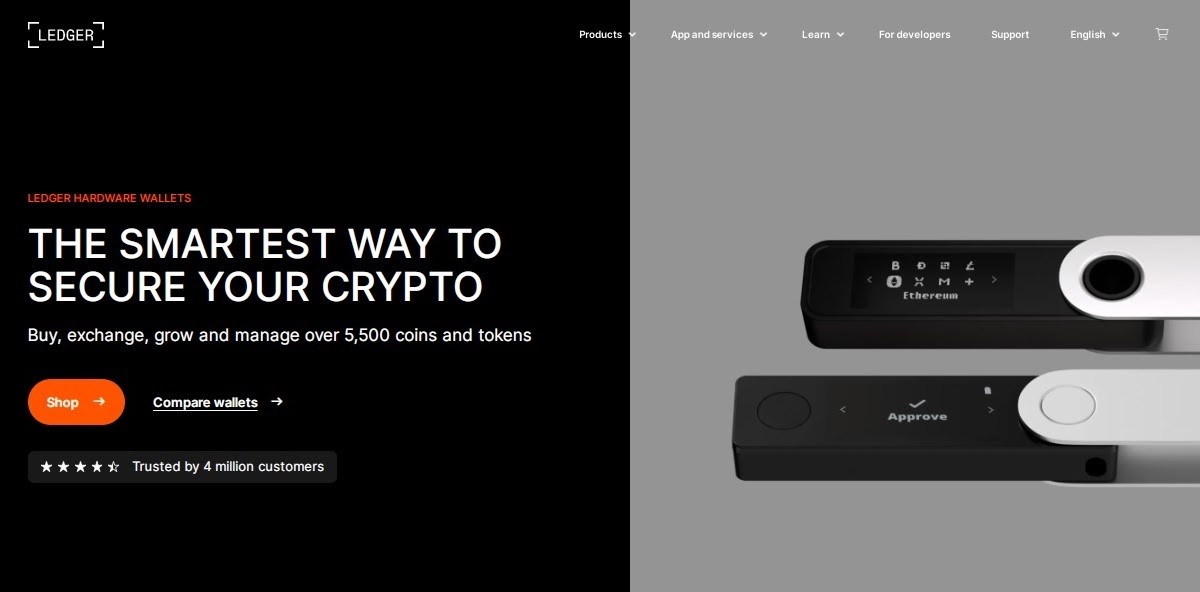
In the world of cryptocurrency, security and control are paramount. Ledger hardware wallets, including the Ledger Nano X, Ledger Nano S Plus, and Ledger Stax, provide a safe method to store crypto assets offline. Unlike software wallets, Ledger ensures your private keys are never exposed online.
Ledger login is the process by which users access their hardware wallet accounts using Ledger Live, the official companion app. This guide explains everything you need to know about Ledger login, from setup and access to security best practices, troubleshooting, and advanced tips.
What is Ledger Login?
Ledger login is the process of connecting your Ledger hardware wallet to Ledger Live to access and manage cryptocurrency accounts. Unlike traditional logins:
Funds remain on the blockchain, not on a central server.
Ledger Live acts as a secure interface.
Private keys remain offline on the device.
Every transaction requires physical confirmation on the device.
Ledger login provides a secure and verified way to interact with your cryptocurrency accounts.
Essential Tools for Ledger Login
1. Ledger Hardware Wallet
Ledger offers several models:
Ledger Nano X: Bluetooth-enabled, mobile-compatible, supports multiple apps.
Ledger Nano S Plus: Compact, beginner-friendly, affordable.
Ledger Stax: Advanced touchscreen wallet with premium features.
The hardware wallet stores your private keys offline, ensuring that access is secure.
2. Ledger Live
Ledger Live is the official application to manage your wallet. Key features include:
Viewing account balances and transaction history.
Sending and receiving cryptocurrency.
Adding or removing blockchain accounts.
Swapping supported cryptocurrencies.
Staking eligible tokens.
Managing NFTs securely.
Ledger Live is available on desktop (Windows, macOS, Linux) and mobile (iOS, Android).
3. PIN Code and Recovery Phrase
PIN Code: Protects access to your device. Multiple incorrect attempts will reset the wallet.
Recovery Phrase (24-word seed): Allows wallet recovery if the device is lost, stolen, or damaged.
How Ledger Login Works
Ledger login is device-centric. The login process involves:
Connecting the Ledger device to a computer or mobile device.
Opening Ledger Live.
Unlocking the device using the PIN.
Selecting the cryptocurrency app on the Ledger device.
Accessing accounts in Ledger Live to manage your funds.
All transactions or account modifications require manual confirmation on the hardware wallet, preventing unauthorized access.
Step-by-Step Ledger Login
Step 1: Prepare Your Ledger Device
Check for physical tampering.
Ensure the device is charged (Nano X/Stax).
Keep your PIN code and recovery phrase accessible for emergencies.
Step 2: Install or Open Ledger Live
Download Ledger Live from the official Ledger source.
Open the application and confirm it is up-to-date.
Step 3: Connect Your Ledger Device
Desktop: Use a USB cable.
Mobile: Use Bluetooth for Ledger Nano X or Stax.
Ensure the connection is recognized by Ledger Live.
Step 4: Unlock Your Device
Enter your PIN directly on the hardware wallet.
Note: Three incorrect attempts will reset the device.
Step 5: Open Cryptocurrency App
Navigate to the relevant app on your Ledger device (e.g., Bitcoin, Ethereum).
Ledger Live will detect the open app and display accounts.
Step 6: Access Accounts
View balances, transaction history, and account details.
Send or receive crypto securely.
Install or manage additional cryptocurrency apps as needed.
Ledger Login on Desktop vs Mobile
Desktop
Connect via USB.
Unlock using PIN.
Manage accounts, send/receive crypto, install apps, and stake tokens.
Mobile
Connect via Bluetooth (Nano X/Stax).
Unlock and manage accounts using Ledger Live Mobile.
Full account functionality while on the go.
Both platforms maintain Ledger’s high security standards.
Security Features of Ledger Login
1. Offline Key Storage
Private keys never leave the device, protecting funds from online threats.
2. PIN Protection
Prevents unauthorized access. Multiple incorrect attempts trigger a reset.
3. Recovery Phrase Backup
The 24-word seed phrase allows wallet recovery if the device is lost or damaged.
4. Transaction Verification
All transactions require manual confirmation on the device, preventing malware or compromised software from executing unauthorized transfers.
Troubleshooting Ledger Login
Device Not Recognized
Check USB cable or try a different port.
Restart Ledger Live.
Update the device firmware.
PIN Code Problems
Multiple wrong PIN entries reset the device.
Recover using the 24-word seed phrase.
Ledger Live Not Syncing
Ensure Ledger Live is updated.
Verify the device connection and correct cryptocurrency app is open.
Best Practices for Ledger Login
Always Use Official Ledger Live to avoid scams.
Never Share Recovery Phrase; store it offline.
Verify Transaction Addresses on Device to prevent malware interference.
Update Firmware Regularly to maintain security.
Disconnect When Idle to prevent unauthorized access.
Advanced Ledger Login Tips
Manage Multiple Accounts: Ledger Live supports multiple wallets per device; use labels for organization.
Staking: Stake eligible cryptocurrencies through Ledger Live.
NFT and DeFi Integration: Ledger Live allows secure interaction with select NFT and DeFi platforms, with device confirmation required for all actions.
Recovery and Backup
If the Ledger device is lost, stolen, or damaged:
Obtain a new Ledger device or compatible wallet.
Select Restore from Recovery Phrase during setup.
Enter the 24-word recovery phrase correctly.
Set a new PIN.
Access your accounts via Ledger Live securely.
Recovery ensures that funds remain safe even without the original device.
Conclusion
Ledger login is the gateway to secure cryptocurrency management. Unlike traditional online logins, it relies on offline private key storage, device verification, and Ledger Live access.
Key takeaways:
Connect and unlock your Ledger device to access accounts.
Private keys remain offline; transactions require device confirmation.
Keep your recovery phrase secure and offline.
Verify addresses on the device and update firmware regularly.
Proper understanding of Ledger login ensures your cryptocurrency remains secure, accessible, and under your control.